
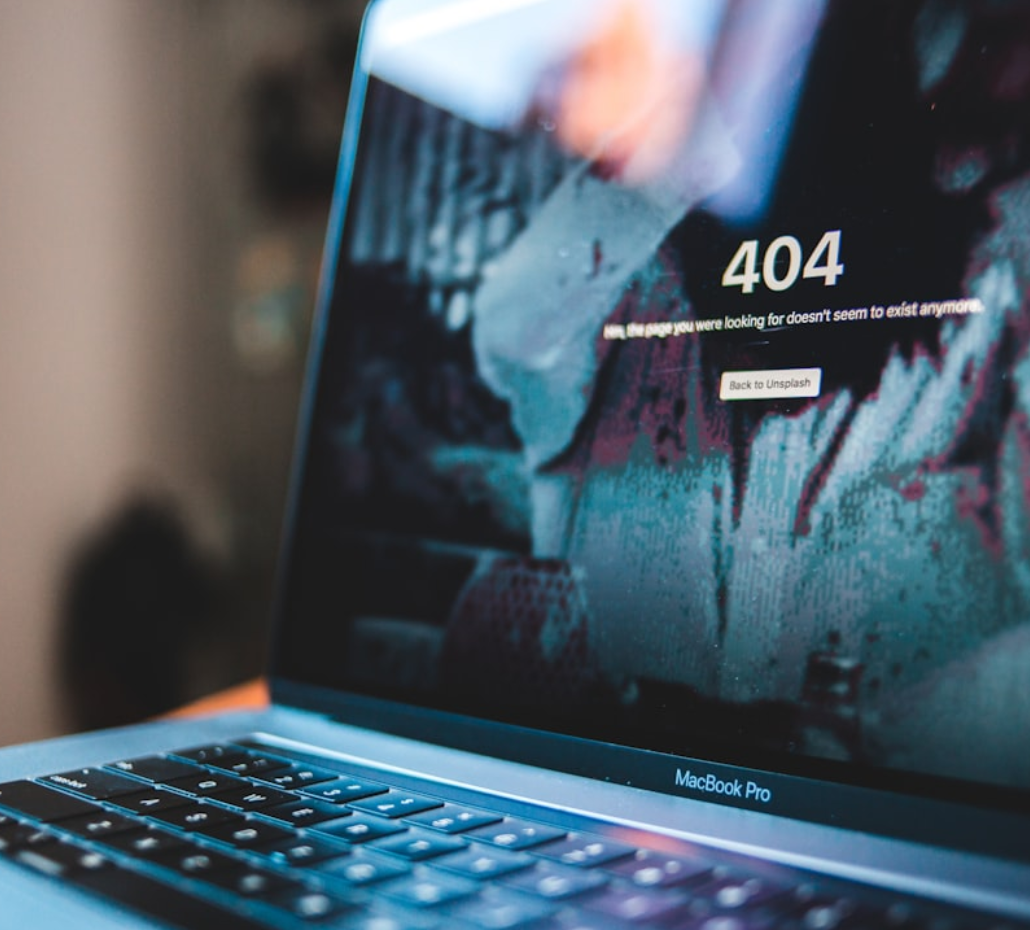
Is the web dead?
The Web Isn’t Dead–It’s Just Not Where You Think It Is
Everyone keeps asking if the web is dead, and honestly… the question itself misses what’s actually happening. Your website isn’t competing with other websites anymore–it’s competing with AI summaries, TikTok product reviews, Reddit threads, and ChatGPT responses that never send anyone to your site at all.
Here’s the uncomfortable truth: 58.5% of Google searches in 2026 end without a single click to any website. That’s not a typo. More than half of searches result in zero traffic for anyone. AI Overviews appear in 73% of commercial queries, featured snippets answer questions directly, and younger demographics are bypassing Google entirely for ChatGPT or social platforms.
So is the web dead? No–but the version you built your business strategy around might be.
What Zero-Click Searches Mean for Your Business
When SearchGPT launched integration with ChatGPT’s 200 million weekly active users, something fundamental shifted. Gartner’s 2025 research predicts a 25% drop in traditional search engine traffic by the end of 2026. That’s not a distant threat–we’re living in it right now.
The traffic you were counting on? It’s being intercepted before users ever reach your site. AI Overviews pull content from multiple sources, synthesize an answer, and display it directly in search results. Users get what they need without clicking through. Your meticulously crafted landing pages never get seen.
This hits local businesses especially hard. The 2026 Google Core Update fundamentally changed local discovery–AI Overviews now dominate 67% of local searches, and traditional rankings matter considerably less than they did even six months ago.
The Platform Migration Nobody’s Talking About Enough
Users didn’t leave the internet–they left the open web for walled gardens. The numbers are stark: 62% of product discovery now happens on TikTok, Instagram, or YouTube before anyone visits a brand website. Mobile users spend 88% of their time in apps versus mobile browsers. Gen Z uses ChatGPT for shopping research more than they use Google.
Your competitors aren’t just other websites anymore. You’re competing with influencers, AI chatbots, Reddit communities, and platform-native content that never links out. The web fragmented into ecosystems, and each one has different rules, different content formats, and different user expectations.
Is the Web Dead for Business Strategy?
Here’s where businesses make the critical mistake–they assume because website traffic is declining, websites don’t matter. Wrong. Your website matters more than ever, but its role has changed completely.
Think of it this way: your website isn’t the destination anymore–it’s the verification. Users discover you on TikTok, research you via ChatGPT, check reviews on Reddit, then visit your website to confirm you’re legitimate before buying. If your site looks outdated, loads slowly, or doesn’t match what they found elsewhere, you’ve lost them. Website speed expectations have compressed to 1.5 seconds–anything slower and you’re done.
The businesses winning in 2026 aren’t asking “is the web dead”–they’re asking “where are my customers actually spending time, and how do I show up there?” The answer is almost never “only on my website.”
The Multi-Platform Reality You Can’t Ignore
Single-channel strategies died somewhere between 2025 and now. Your website needs to work in concert with AI discoverability, platform presence, community engagement, and direct answer optimization. That means:
Your content needs to feed AI models while still serving human visitors. You’re writing for ChatGPT’s training data AND for the person who actually clicks through. Structured data, clear answer formats, and authoritative depth matter more than keyword density ever did.
Your brand needs platform-specific content strategies–not just repurposed website content. What works on your site won’t work on TikTok, and what works in AI Overviews won’t work on Reddit. Each platform demands native format and authentic voice.
Your website serves as the central hub, but traffic comes from everywhere except direct Google searches. Social platforms, AI referrals, community links, direct navigation–multi-platform visibility became non-negotiable for local businesses and national brands alike.
What Actually Works When Traditional Web Traffic Declines
Stop optimizing exclusively for search engine rankings that matter less every month. Start optimizing for AI scraping, featured snippet capture, and platform-specific discovery. Your website content should answer questions so definitively that AI models quote you, featured snippets pull from you, and platforms link to you as the authoritative source.
Invest in platform presence where your audience actually lives. If your customers are on TikTok, you need native TikTok content–not website links posted to TikTok. If they’re using ChatGPT for research, your content needs to be structured so AI models can extract and cite it accurately.
Make your website the trust anchor, not the traffic destination. When users land on your site from any source–AI referral, social platform, community link–they should immediately see professional credibility, fast load times, clear value propositions, and seamless mobile experience. First impressions happen in 1.5 seconds now, and there’s no second chance.
The Web Isn’t Dead–Your Strategy Might Be
The fundamental answer to “is the web dead” is this: the open web as the primary discovery and engagement channel? Yes, that version is dying. The web as a critical component of integrated digital strategy? Absolutely alive, just radically different.
Businesses clinging to 2020 strategies–SEO-focused, website-centric, search-dependent–are watching traffic decline and conversions drop. Businesses adapting to fragmented discovery, multi-platform presence, and AI-mediated research are finding new ways to reach customers effectively.
Your website still needs to be exceptional. It loads fast, looks professional, converts visitors efficiently, and serves as the authoritative hub for everything your brand represents. But traffic gets there through AI Overviews, social platforms, community recommendations, and direct navigation–not organic search rankings.
The question isn’t whether the web is dead. The question is whether your digital strategy has evolved to match where your customers actually are in 2026. Because they’re not waiting on page two of Google search results–they’re getting answers from AI, discovering products on TikTok, and validating businesses through multi-platform presence before they ever click a traditional search result.
Adapt or disappear. The web didn’t die–it just stopped caring about businesses that refuse to evolve with it.
Let’s talk about how we can help you achieve your goals.

