
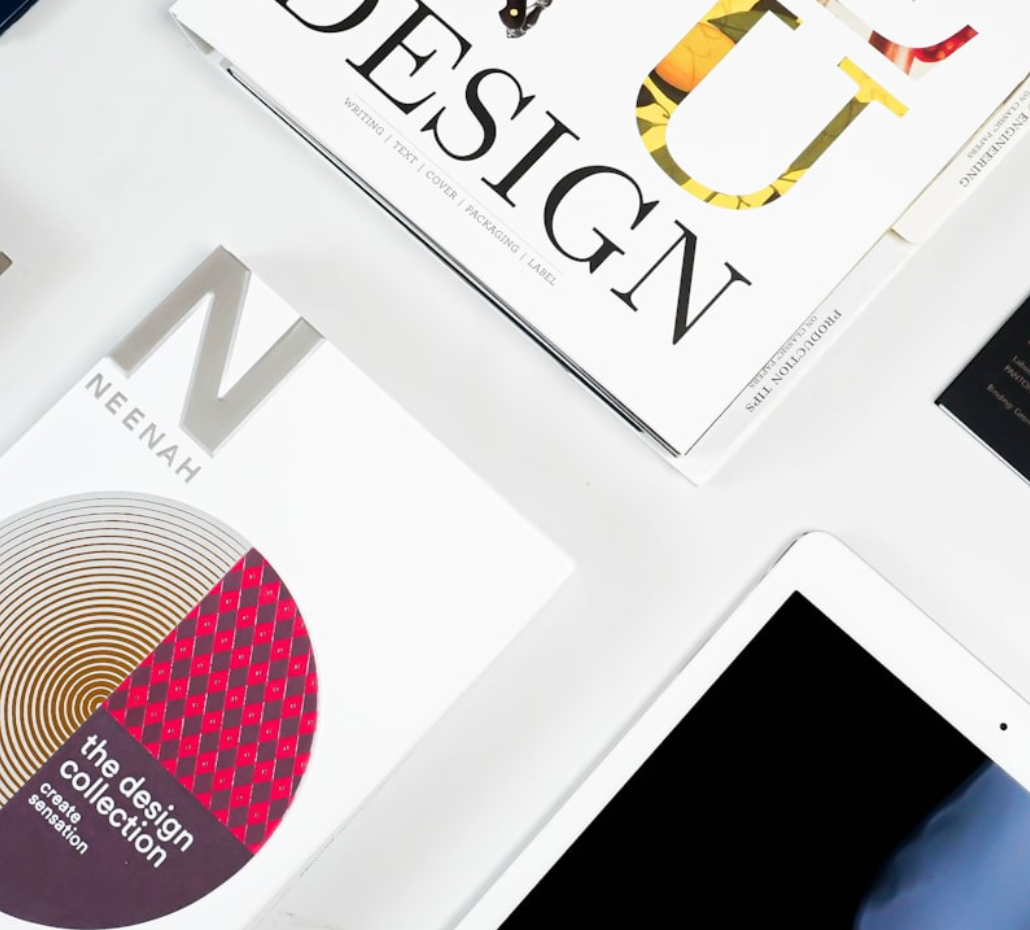
Brand processes for the modern era
The Linear Brand Playbook Stopped Working
You know the drill. Research for 6 weeks, strategize for another 4, design for 8, lock everything in a 200-page PDF, distribute it once, maybe update it in 5 years when you can’t ignore how dated it looks anymore.
That process? It’s completely disconnected from how brands actually operate in 2026.
73% of companies with revenues over $500M now use dynamic brand management platforms that automatically update guidelines based on performance data and cultural context. They’re not waiting years to adapt—they’re adjusting quarterly, sometimes monthly. The question isn’t whether your brand processes need to evolve… it’s whether you can afford to keep operating like it’s still 2020.
Dynamic Brand Systems Replace Static Guidelines
Here’s what changed. Traditional brand guidelines assumed consistency meant rigidity—same logo treatment everywhere, same color values, same tone across every platform. But consistency in 2026 means something different: it’s about recognizable patterns that flex based on context.
API-connected brand systems now push updates to all touchpoints simultaneously. When you refine a messaging principle or adjust a visual treatment based on performance data, those changes propagate across your website, marketing automation, design tools, and partner portals in real-time. No more emailing updated PDFs. No more wondering if your field office in Denver is using the 2022 or 2025 logo.
Platforms like Frontify, Bynder, and Acrolinx support contextual brand rules—guidelines that adapt based on platform, audience, and moment. Your Instagram presence can feel different from your LinkedIn presence without fragmenting your brand. The system knows what must remain consistent (your core positioning, primary visual anchors) versus what can flex (tone intensity, imagery style, color emphasis).
The practical shift: establish quarterly brand system audits instead of waiting for full rebrands. Most companies need refreshes, not rebrands—and modern brand processes make continuous refinement possible without the chaos.
Data-Informed Brand Processes Beat Gut Instinct
Here’s an uncomfortable stat: 68% of brand failures stem from insufficient testing before large-scale rollouts. Companies still make million-dollar brand decisions based on what the CEO likes or what won awards in 2019.
The companies winning in 2026 build testing into every stage. Before any major brand initiative goes live, they run semantic differential testing with 200+ respondents across demographics. They use AI-powered sentiment analysis on visual and verbal concepts. Some even deploy neuro-response testing—eye-tracking and emotional response measurement—for high-stakes launches.
This isn’t about removing creativity or instinct. It’s about validating creative direction before you’ve spent 6 months building out a campaign that doesn’t resonate. Companies using predictive brand analytics see 34% faster time-to-market because they’re not backtracking after launch—they’re refining during development.
Practical implementation: build a three-stage validation process. Stage one validates concepts early (survey data, sentiment analysis, small focus groups). Stage two tests refined directions with broader audiences (A/B testing, platform-specific mockups, message resonance scoring). Stage three monitors performance post-launch and feeds learnings back into your brand system for the next cycle.
Data reveals what converts, not just what looks good in a conference room.
Version Control for Brand Processes
Software developers have used version control for decades—track every change, understand why decisions were made, roll back when something breaks. Brand management in 2026 finally caught up.
Leading organizations now treat their brand systems like software repositories. Every guideline update is documented with rationale, performance data that informed the change, and approval workflows. When a messaging shift doesn’t perform as expected, they can revert to the previous version while they iterate.
This approach solves a massive problem: institutional knowledge loss. When your brand director leaves, you don’t lose 5 years of brand evolution context. When a new CMO wants to understand why certain decisions were made, the system provides answers. When legal needs to verify that a partner is using approved assets, version history shows exactly what was authorized when.
Set up permission tiers in your system. Core brand elements (positioning, primary visual identity, legal requirements) have strict approval workflows and limited flexibility. Secondary elements (campaign-specific treatments, platform-adapted messaging, seasonal variations) can move faster with distributed approval authority.
Real-Time Cultural Adaptation
Brands don’t exist in a vacuum—they operate within constantly shifting cultural contexts. A tone that resonated in January might feel tone-deaf by March. A visual approach that felt fresh in Q1 might be overdone by Q3.
Modern brand processes build in cultural monitoring and rapid response protocols. Not reactive crisis management… proactive adaptation. Companies monitor sentiment shifts, emerging conversations, platform-specific trends, and competitive movements. When they spot meaningful shifts, they can adjust messaging emphasis or visual treatments within their brand system’s flexible parameters.
This doesn’t mean chasing every trend or abandoning brand consistency. It means your brand processes account for cultural context as a variable, not an afterthought. Human-first approaches require cultural awareness—your system should support it.
Building Your Adaptive Brand Process
If you’re still operating with static guidelines and infrequent updates, here’s where to start:
First, audit your current brand process. How long does it take to update guidelines? How do you distribute changes? How do you measure what’s working? Most organizations discover they have no systematic answers—just informal processes that depend on whoever’s in the room.
Second, invest in infrastructure before content. Pick a dynamic brand management platform that supports version control, contextual rules, and API connections. Migrate your existing guidelines, but rebuild them as living systems, not static documents.
Third, establish review cadences. Quarterly brand system audits should assess what’s working, what needs adjustment, and what cultural or market shifts require response. These aren’t full rebrand discussions—they’re calibration sessions.
Fourth, build feedback loops. Connect performance data from your website, campaigns, and customer interactions back into brand decisions. When something performs exceptionally well or unexpectedly poorly, your system should capture why and inform future iterations.
The old brand process assumed stability—build it right once, then maintain it unchanged for years. The modern brand process assumes evolution—build systems that adapt, measure constantly, and improve continuously. That’s not just a better approach… in 2026, it’s the only approach that keeps pace with how fast markets, platforms, and audiences actually move.
Let’s talk about how we can help you achieve your goals.

